Medical
K-Drug Approved For Adjuvant Treatment Of Early-Stage Non-Small Cell Lung Cancer, Significantly Extending Cancer-Free Survival Of Patients!
The US FDA has approved pablizumab (Keytruda) as an adjuvant treatment for early-stage non-small cell lung cancer. In the trial, pablizumab (Keytruda) significantly prolonged cancer-free survival in patients compared to placebo.

Recently, the US FDA approved pablizumab (Keytruda) as adjuvant therapy for patients with stage IB, stage II or stage IIIA non-small cell lung cancer, following resection and platinum-containing chemotherapy.
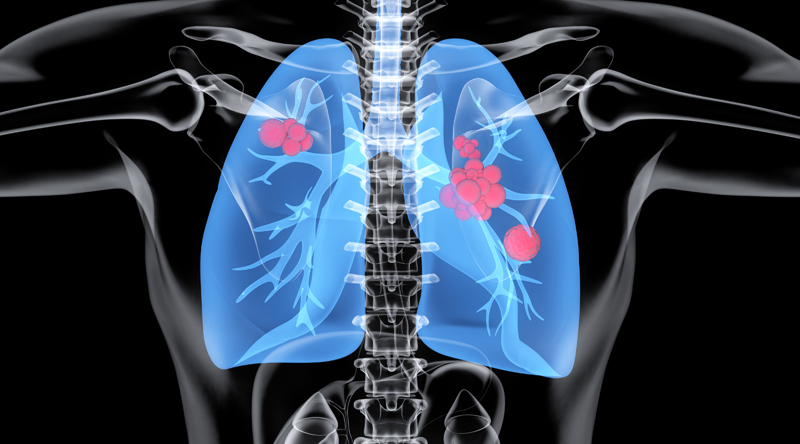
Basis for approval.
The approval was based on the results of the Phase III PEARLS/KEYNOTE-091 trial.
The results of the trial showed that adjuvant treatment with pablizumab (Keytruda) significantly prolonged cancer-free survival in patients with complete tumour resection compared to placebo.
KEYNOTE-091 is a global, randomised phase III trial comparing the efficacy of pablizumab (Keytruda) versus placebo as adjuvant therapy in patients with early-stage non-small cell lung cancer who have completed surgical resection and adjuvant chemotherapy as necessary.

The trial recruited 1177 patients with stage IB disease (tumours of at least 4 cm), stage II and stage IIIA disease and an ECOG physical status score of 0 or 1.
Patients were randomised in a 1:1 ratio into 2 groups: one group received pablizumab (Keytruda) and the other group received placebo, administered by intravenous infusion at a dose of 200 mg every 3 weeks for a maximum of 18 doses.
A total of 55.8% of patients in the pablizumab (Keytruda) group were in stage II, 30.0% in stage IIIA and 14.2% in stage IB; in the placebo group, 57.6% were in stage II, 27.6% in stage IIIA and 14.5% in stage IB. The vast majority of patients in both groups underwent lobectomy.
The study focused on two main questions: cancer-free survival for overall patients (without consideration of PD-L1 expression) and cancer-free survival for patients with more than 50% PD-L1 expression.
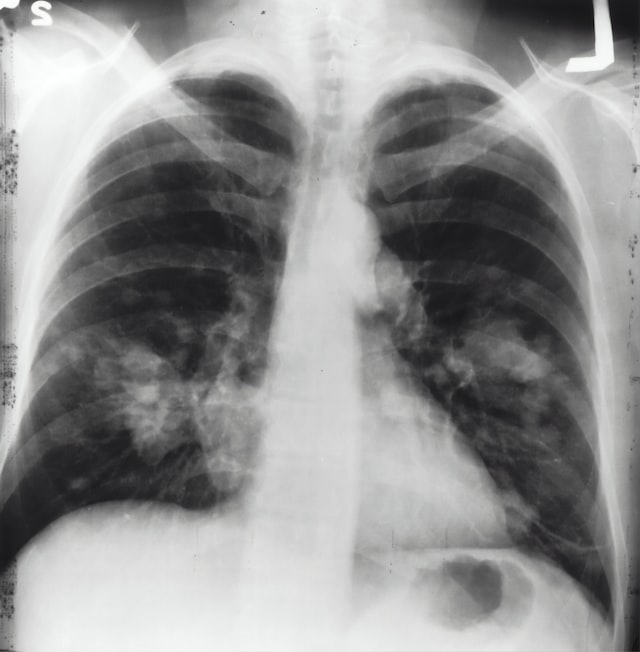
Cancer-free survival was defined as the time from enrollment in treatment to disease recurrence, or the development of a second primary lung cancer, or the development of a secondary malignancy, or death from all causes.
The results of the study showed that pablizumab (Keytruda) treatment significantly prolonged cancer-free survival compared to placebo, regardless of the patient's PD-L1 expression. The mean cancer-free survival for patients in the pabrolizumab (Keytruda) group was 58.7 months compared to 34.9 months in the placebo group.
In terms of safety, adverse events in this trial were similar to those observed in other pabrolizumab (Keytruda) trials. Different adverse events included hypothyroidism, hyperthyroidism and pneumonia.
-
![]()
![]() MedicalApr 18, 2026
MedicalApr 18, 2026This is not science fiction! The robot successfully repaired the pig's damaged esophagus
-
![]()
![]() MedicalApr 17, 2026
MedicalApr 17, 2026Chemotherapy May Promote Resistance To Immunotherapy In Pancreatic Cancer, Study Shows
-
![]()
![]() MedicalApr 16, 2026
MedicalApr 16, 2026Two In a Row From Science: Car-T Cells Are Back With a New Upgrade That May Eradicate Deadly Solid Tumours!
-
![]()
![]() MedicalApr 15, 2026
MedicalApr 15, 2026Neratinib Included In NCCN Guidelines For Specific HER2-Negative Breast Cancers
-
![]()
![]() MedicalApr 14, 2026
MedicalApr 14, 2026Important Target For Novel NK Immune Checkpoint Inhibitor Identified!